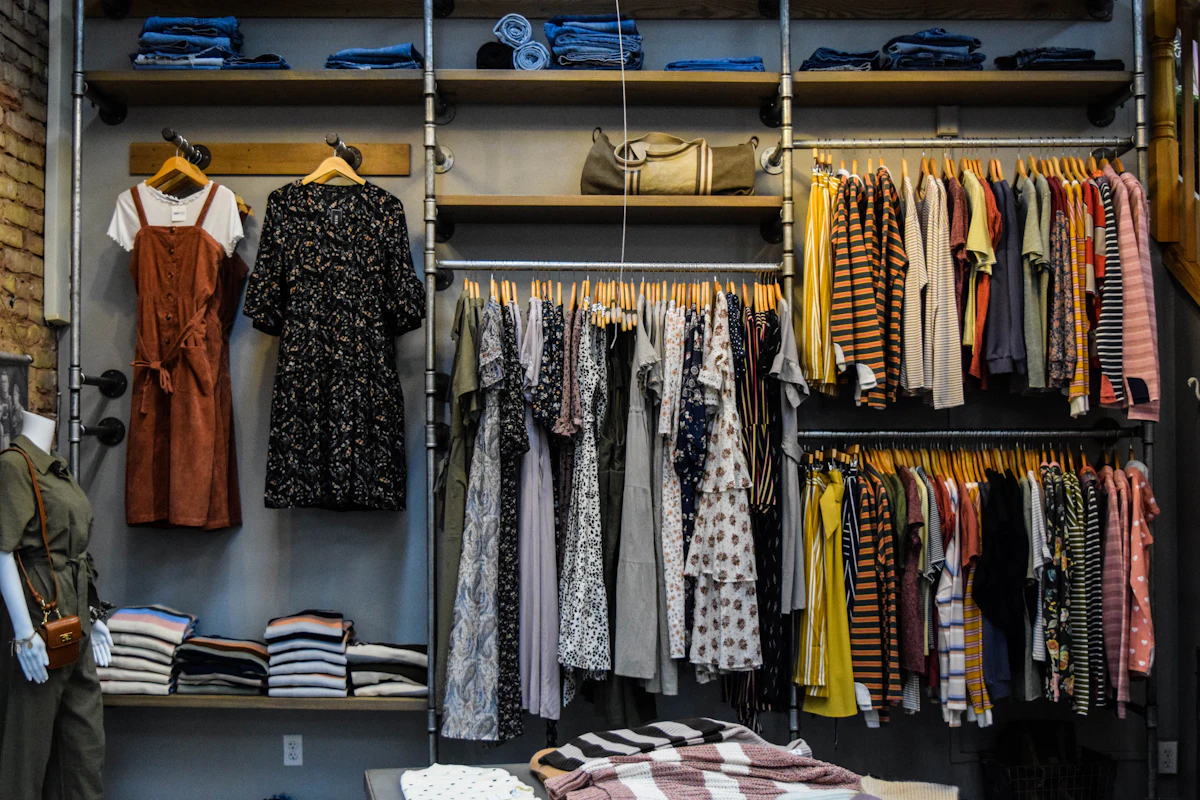
Your wardrobe is the first environment you engage with every morning. Before the first meeting, before the first conversation, before the first decision of the day — you have already navigated your closet. And that navigation either sets you up beautifully or adds a small but real layer of friction to the start of your day.
A truly curated wardrobe does not just look beautiful when the doors are open. It functions as intuitively as the best boutique you have ever visited: everything in its place, visible at a glance, easy to find and easy to return. Morning clarity instead of morning chaos.
Beyond Tidying: What Wardrobe Curation Actually Means
Curation is a different word from organization — intentionally so. To curate a wardrobe is to make considered, editorial decisions about what lives in it. It means looking at the collection as a whole, understanding what actually gets worn versus what occupies space, and creating an intentional selection that serves your real lifestyle rather than a hypothetical future one.
This is not about minimalism for its own sake. A wardrobe of 400 pieces that is thoughtfully curated and organized will serve you better than a wardrobe of 50 items thrown together without logic. The goal is not fewer clothes — it is clarity about what you have and confidence in how to use it.
The Gradient Organization Method
Within each clothing category, we organize by color using a light-to-dark gradient — from whites and creams through pastels and mid-tones to deep navy, black, and rich jewel tones. This is both aesthetically and functionally excellent.
Aesthetically, a gradient wardrobe reads as intentional and curated even at a glance. It has the visual quality of a well-designed boutique rather than a crowded closet. For wardrobes with custom closet systems — which are common in Las Vegas luxury properties — this approach honors the design of the space itself.
Functionally, color gradient organization makes it faster to locate specific items because your brain navigates by color before it navigates by category. You already know approximately where your navy blazer is before you start looking — it is in the deep-tone section of the blazers.
Category Logic for a Functional Wardrobe
Before applying the gradient within categories, the categories themselves need to be clearly defined. We organize by silhouette first: dresses together, blazers and jackets together, trousers together, knitwear together, casual tops together, formal shirts together. Within each category, the gradient is applied.
Frequency of use then determines placement within the physical space. Items worn most often occupy the most accessible positions — at eye level, in the center sections of hanging space. Seasonal items and occasional pieces move to secondary positions: higher hanging rods, the less accessible side of a walk-in, secondary closets.
This system means that your everyday rotation is always immediately accessible, while your full wardrobe remains organized and findable when you need it.
Designer Item Care: Protecting Your Investment
A well-curated wardrobe also means properly caring for the items within it — particularly investment pieces and designer clothing that can represent significant value.
- Hanger selection matters. Delicate fabrics should never hang on wire or thin plastic hangers. Velvet-flocked slim hangers protect garment shape without adding bulk. Wide, contoured wood hangers are appropriate for structured jackets and blazers.
- Breathable garment bags for seasonal storage of delicate pieces — natural fabrics like cotton muslin, not plastic, which traps moisture.
- Cedar blocks or lavender sachets as natural pest deterrents in drawers and hanging sections — avoiding mothballs, which leave an odor that is difficult to remove from fine fabrics.
- Shoe storage strategy — display shoes you wear frequently in a visible, accessible arrangement; protect less-worn shoes in their original boxes or clear containers with photographs on the front.
Applying the Capsule Wardrobe Principle
The capsule wardrobe concept — a core collection of versatile, high-quality pieces that work together across multiple combinations — is most useful not as a rigid framework but as an editorial lens. When reviewing your wardrobe, ask yourself: which 30 to 40 pieces do you actually reach for most often? These are your capsule — the working core of your wardrobe.
Once identified, this core should be the best-organized, most accessible part of your closet. The supporting cast — the specialty pieces, the occasion-specific items, the aspirational acquisitions — can occupy less prime real estate, properly stored but not competing for your daily attention.
When a Wardrobe Needs Professional Curation
If opening your closet creates a sense of overwhelm rather than ease — if you cannot see what you have, cannot find what you want, or regularly feel like you have "nothing to wear" despite a full wardrobe — a professional curation session will change that completely.
Our home organizing service includes wardrobe curation as a dedicated zone. We evaluate your complete collection, build a category and gradient system specific to your lifestyle and wardrobe type, care for your investment pieces correctly, and create a closet that is as functional as it is beautiful.
A curated wardrobe is not about having fewer clothes. It is about having clarity every single morning.
Ready to Transform Your Wardrobe?
A professional wardrobe curation session creates lasting clarity — start with a free 20-minute call.
