If you have ADHD, you have probably bought the bins. You have watched the videos, labeled a few drawers on a burst of motivation, and felt that brief, electric hope that this time the system will stick. And then, somewhere around week two, the surfaces fill back up, the floordrobe returns, and the familiar voice whispers that you are simply not a person who can keep a home together.
Here is what we want you to hear first: the problem was never you. It was the system. Conventional organizing advice is written for neurotypical brains, and it quietly assumes a set of skills — sustained planning, effortless sequencing, frictionless follow-through — that ADHD makes genuinely harder. When the method ignores how your brain works, the method fails. Not the person using it.
Why Organizing Is Genuinely Harder With ADHD
ADHD is, at its core, a difference in executive function — the mental machinery responsible for planning a task, breaking it into steps, prioritizing, and seeing it through to completion. Organizing a home draws on every single one of those functions at once. So a cluttered space is not evidence of laziness or a moral failing. It is the visible footprint of a brain that processes the world differently.
Three patterns show up again and again in the homes we work in:
- "Out of sight, out of mind" is literal. When something goes into a closed drawer or an opaque bin, it can effectively cease to exist. So things stay out — on counters, chairs, and floors — because being visible is the only way to remember they are there.
- Every step is a tax. If putting a coat away requires opening a closet, finding a hanger, and arranging it, that is three chances to abandon the task. The coat lands on the chair instead. Friction is the enemy.
- Decision fatigue arrives fast. "Where does this go?" asked two hundred times in an afternoon is exhausting. Without a pre-decided home for each category, sorting stalls and piles migrate rather than disappear.
Understanding this is the whole game. Once you stop fighting your brain and start designing around it, organizing becomes dramatically more achievable — and far more permanent.
The Principles of an ADHD-Friendly Home
An organizing system built for ADHD looks different from the magazine version, and that is the point. It optimizes for maintenance, not for a photo. These are the principles we build around.
1. Make storage visible
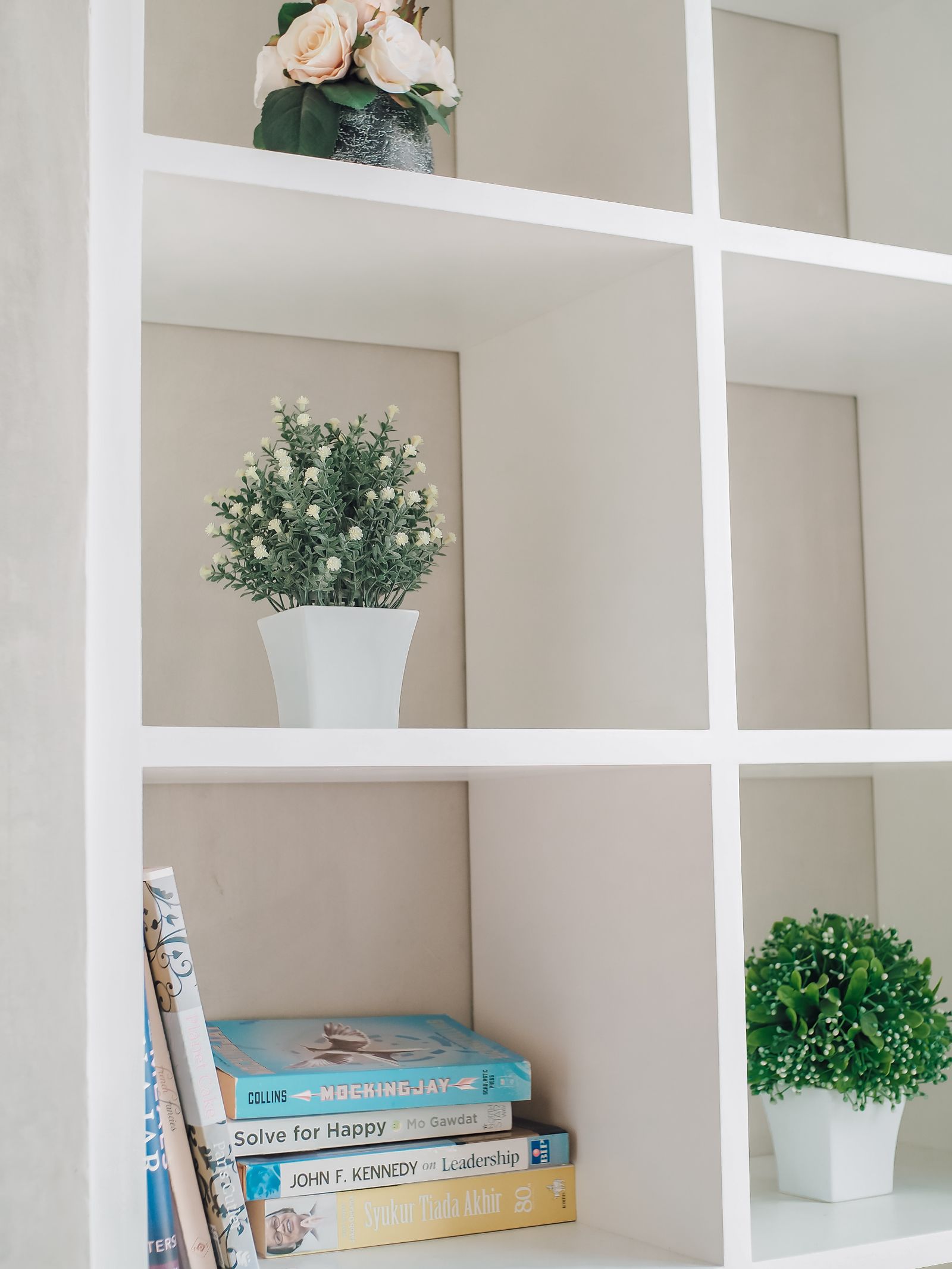
Clear bins, open shelving, glass-front containers, and labeled baskets keep contents in view. When you can see what you own, you remember you own it — and you put it back where you can see it again. Hidden storage is where good intentions go to disappear.
2. Reduce every system to the fewest possible steps
The best ADHD system is the one with the least resistance. Hooks instead of hangers. Open baskets instead of lidded boxes. A drop zone by the door instead of a "proper place" in another room. If putting something away takes one motion instead of four, it will actually happen.
3. Build "launch pads" for daily essentials
Keys, wallet, sunglasses, medication, chargers — the high-stakes items that derail a morning when they vanish. A single, visible, fiercely protected landing spot near the door removes an entire category of daily panic.
4. Label everything, plainly
Labels outsource the "where does this go?" decision so your brain does not have to make it every time. Clear, simple, visible labels turn a chaotic cabinet into a system that even a tired, distracted version of you can follow.
The goal is not a home that looks organized for a day. It is a home that is so easy to maintain that staying organized takes almost no effort at all.
Why "Just Try Harder" Has Never Worked
For most of our neurodivergent clients, the hardest part was never the sorting. It was the years of internalized shame that came first — the quiet belief that everyone else figured this out and they alone could not. That shame is exhausting, and it is also completely misplaced.
This is the same overwhelm we wrote about in why decluttering feels overwhelming, amplified by a nervous system that experiences friction more intensely. Willpower is not a renewable enough resource to power a system that fights you every day. The answer is not more discipline. It is less resistance.
And when sentimental items are part of the picture — and they almost always are — the work becomes emotional as much as physical. Our guide to navigating emotional clutter with empathy walks through how to honor what matters without keeping everything.
How a Professional Organizer Helps — Without the Judgment
Bringing someone into your home when you feel ashamed of it is one of the hardest asks there is. We know that, and it shapes everything about how we work. Our home organizing service is built on a documented 100% Zero-Judgment commitment — no lectures, no raised eyebrows, no commentary on how things got this way.
For an ADHD brain specifically, working alongside a professional solves the exact problems the diagnosis creates:
- Body doubling. Having a calm, focused person working beside you makes starting and sustaining the task possible in a way that going solo rarely is.
- We hold the decisions. We carry the sequencing and the "where does it go" load, so you are not drained by a thousand micro-choices.
- Two specialists, one visit. Our teams work in pairs, so a project that would take you weeks of false starts is finished in a single focused session — and we are in your space for half the time.
- Systems built around you. We design for how you actually live, then leave you with something maintainable rather than a beautiful setup that collapses by Friday.
Once the system exists, keeping it is its own small skill. Our 14-day reset framework is a gentle, low-pressure way to make a new system feel automatic.
You do not need to become a different person to have a calm, functional home. You need a system that finally fits the brain you have. That is the work we do — patiently, privately, and entirely without judgment.
Ready for a Home That Works With Your Brain?
Book a free, judgment-free call. We will talk through what is feeling impossible and how we can help — at your pace.
Frequently Asked Questions
Why is organizing so hard for adults with ADHD?
ADHD affects executive function — the brain's ability to plan, sequence, and prioritize. Conventional organizing relies heavily on those exact skills, so generic systems tend to collapse within weeks. The fix is not more willpower; it is designing storage around visibility, low friction, and a single obvious home for every item.
Will a professional organizer judge how messy my home is?
Not at Lifelystyle. Our work is built on a 100% Zero-Judgment approach. We understand that clutter for someone with ADHD is a symptom, not a character flaw, and we treat every home with discretion and respect.
What makes an organizing system ADHD-friendly?
ADHD-friendly systems favor open and clear storage over closed cabinets, reduce the number of steps required to put something away, label everything plainly, and create visible "launch pads" for daily essentials so nothing important disappears.
Do you serve neurodivergent clients across Las Vegas?
Yes. We work with clients throughout Las Vegas, Summerlin, Henderson, and surrounding luxury communities, building calm, maintainable systems tailored to how each person actually lives.
